
Systems Built to Handle Desert Heat
HVAC Installation Services in San Tan Valley for new construction and whole-system replacements
AZ A/C and Heat Services handles complete HVAC installation for residential and commercial properties where proper system sizing determines whether your unit runs efficiently or struggles daily against Arizona's extreme temperatures. New installations require precise equipment selection based on building size, insulation quality, sun exposure, and the relentless heat cycles that define this region. System sizing in Arizona differs significantly from national standards because undersized equipment runs continuously without reaching set temperatures, while oversized units short-cycle and fail to control humidity during milder months.
Installation work includes full system design, ductwork integration or replacement, refrigerant line installation, electrical connections, thermostat setup, and performance calibration that confirms airflow, temperature differential, and refrigerant charge meet manufacturer specifications. When ductwork already exists, technicians assess whether seals, insulation, and sizing support the new equipment or whether modifications prevent energy loss through leaks and inadequate airflow.
Schedule a property evaluation to determine correct system sizing and equipment options for your building.
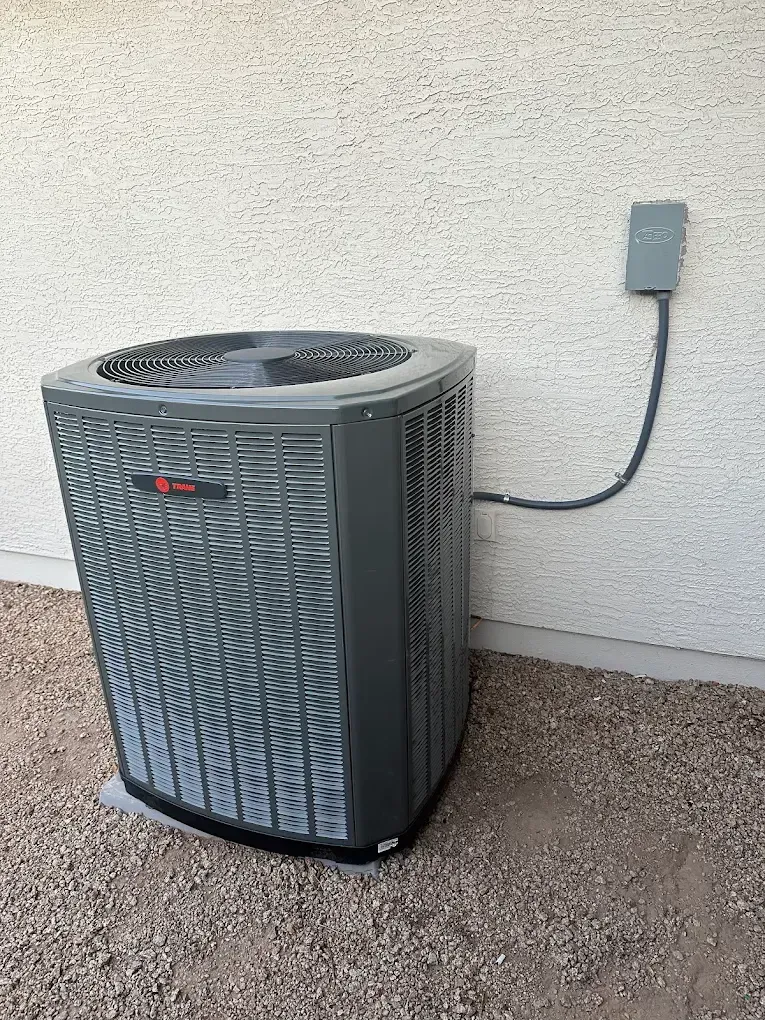
What Proper Installation Requires
Equipment selection starts with load calculation that accounts for square footage, ceiling height, window placement, insulation values, and orientation to the sun. In San Tan Valley, south and west-facing walls absorb significantly more heat during summer, which affects tonnage requirements beyond what square footage alone suggests. Energy-efficient models with higher SEER ratings reduce operating costs but require upfront investment that pays back through lower electricity bills over the system's lifespan.
Once installation completes, you notice consistent temperatures in every room, reduced noise from properly mounted equipment, and air that circulates without hot spots near windows or cold zones in distant bedrooms. Final testing confirms refrigerant levels match specifications, airflow reaches design targets, and the system cycles appropriately rather than running continuously or shutting off before rooms reach comfort levels.
Installation includes startup procedures that verify electrical connections, test safety controls, confirm drainage from the condensate line, and calibrate thermostat settings. Smart thermostat integration allows scheduling based on occupancy patterns and remote temperature adjustments that prevent energy waste when buildings sit empty during work hours or vacations.
Questions Before Starting Your Project
Homeowners and business owners often want clarity on installation timelines, equipment choices, and what the process involves before committing to new HVAC systems.
How long does a complete HVAC installation take?
Most residential installations finish within one to two days depending on whether ductwork modifications are needed, while commercial projects vary based on building size and system complexity.
What determines the right system size for Arizona properties?
Load calculations factor in square footage, insulation quality, window area, and sun exposure, with San Tan Valley installations often requiring higher tonnage than comparable homes in cooler climates due to sustained summer temperatures above 110 degrees.
Can new equipment connect to existing ductwork?
Existing ducts work if they're properly sealed, insulated, and sized for the new system's airflow requirements, but older ductwork often has leaks or inadequate insulation that waste conditioned air before it reaches living spaces.
What happens during performance calibration?
Technicians measure temperature differential across the coil, verify refrigerant charge with superheat and subcooling readings, test airflow at registers, and adjust blower speed to meet design specifications that ensure efficient operation.
Why do energy-efficient models cost more upfront?
Higher SEER ratings require advanced compressor technology, improved heat exchangers, and variable-speed components that reduce electricity consumption but increase manufacturing costs, with savings realized through lower monthly utility bills over ten to fifteen years of operation.
AZ A/C and Heat Services provides detailed load calculations and equipment recommendations based on your property's specific cooling demands. Request an on-site consultation to review system options and installation requirements for your building.