
Zoned Comfort Without Ductwork Installation
Mini-Split System Installation & Service in San Tan Valley for room additions and spaces where traditional ductwork is impractical
Room additions, converted garages, and sunrooms often lack the ductwork connections needed for central air conditioning, making temperature control in those spaces difficult without expensive renovation. AZ A/C and Heat Services installs ductless mini-split systems that mount directly on walls, delivering targeted heating and cooling through compact indoor units connected to an outdoor compressor. These systems operate quietly compared to window units and provide independent temperature control for each zone without affecting the rest of the home.
Mini-split installation involves mounting the outdoor condenser on a concrete pad or wall bracket, running refrigerant lines through a small exterior penetration, and securing the indoor air handler at the desired location. Each indoor unit operates independently, so you can cool a home office during the day while leaving bedrooms at ambient temperature, reducing energy consumption compared to cooling the entire house through a central system.
Arrange an on-site evaluation to determine the best placement for indoor units and assess electrical capacity for the installation..
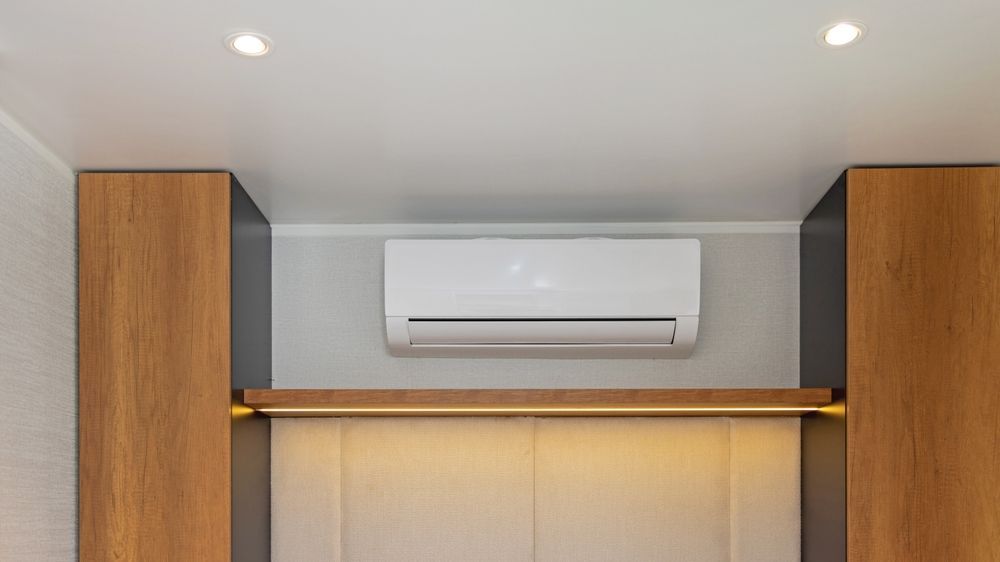
Why Mini-Splits Work for Targeted Climate Control
Ductless systems eliminate the energy losses that occur when conditioned air travels through long duct runs in attics, where summer temperatures in San Tan Valley can exceed one hundred forty degrees. Each indoor unit responds to its own thermostat, so temperature preferences in different rooms don't require compromise. Inverter-driven compressors adjust output continuously rather than cycling on and off, maintaining more consistent temperatures and drawing less startup power.
Once a mini-split system is operating, you notice immediate temperature changes in the targeted space without waiting for central air to condition the entire home. The indoor unit's fan speed adjusts automatically based on cooling or heating demand, and many models include remote controls or smartphone integration for adjustments without accessing the wall-mounted unit. Background noise from the system remains minimal, typically quieter than the airflow sound from a central system's supply vents.
Regular maintenance involves cleaning washable filters monthly and scheduling annual inspections to check refrigerant levels, coil condition, and drain line function. Outdoor units require clearance from vegetation and debris to maintain airflow, and refrigerant lines should be inspected for insulation damage that reduces efficiency.
Answers to Frequent Questions About Mini-Splits
Property owners considering ductless systems want to understand how these units differ from traditional HVAC equipment and what to expect during installation and operation.
What makes mini-splits more efficient than window units?
Inverter technology adjusts compressor speed to match demand instead of cycling fully on and off, reducing energy spikes and maintaining tighter temperature control. Sealed refrigerant lines prevent the air leakage common with window unit installations, and outdoor compressors are engineered for higher efficiency ratings than portable or window-mounted systems.
How many indoor units can connect to one outdoor compressor?
Multi-zone systems support up to five indoor units on a single outdoor condenser, depending on the compressor's capacity and the combined BTU requirements of the indoor spaces. Each indoor unit operates independently, so one zone can heat while another cools simultaneously if needed.
What installation challenges occur in San Tan Valley homes?
Exterior wall penetrations must be sealed properly to prevent monsoon moisture intrusion, and outdoor units need shaded placement when possible to avoid direct sun exposure that reduces compressor efficiency. Electrical panels may require upgrades if existing capacity doesn't support the additional load from a multi-zone system.
When should filters be cleaned or replaced?
Washable filters in indoor units require monthly cleaning to maintain airflow and prevent dust buildup on the evaporator coil. Clogged filters force the system to work harder, increasing energy use and reducing cooling or heating output noticeably.
How does repair service differ from central HVAC systems?
Troubleshooting focuses on refrigerant line connections, electronic control boards, and individual indoor unit failures rather than ductwork issues or centralized air handler problems. Refrigerant leaks typically occur at line set connections and require pressure testing to locate before recharging the system.
AZ A/C and Heat Services provides detailed load calculations to match system capacity with your space requirements and offers maintenance plans for long-term performance. Schedule a consultation to review equipment options and placement strategies for your property.