
Airflow Restored and Contaminants Removed
Duct Cleaning & Indoor Air Quality Services in San Tan Valley for homes with reduced airflow and persistent dust accumulation
Dust settles inside ductwork over years of operation, coating interior surfaces and restricting airflow as debris accumulates near register openings and return grilles. AZ A/C and Heat Services removes built-up dust, construction debris, and allergens from duct interiors using high-powered vacuum systems and rotary brushes designed to dislodge material without damaging duct lining. Homes in San Tan Valley face additional challenges from desert dust intrusion and drywall particulates left behind during construction or renovation projects.
Duct cleaning involves sealing supply and return vents, creating negative pressure throughout the duct system, and mechanically agitating debris while extracting it through collection equipment. The process addresses both supply ducts that distribute conditioned air and return ducts that pull air back to the HVAC system, where accumulated dust can coat blower motors and evaporator coils if left unchecked.
Request an airflow assessment to identify duct sections with restricted flow and evaluate the extent of interior contamination..
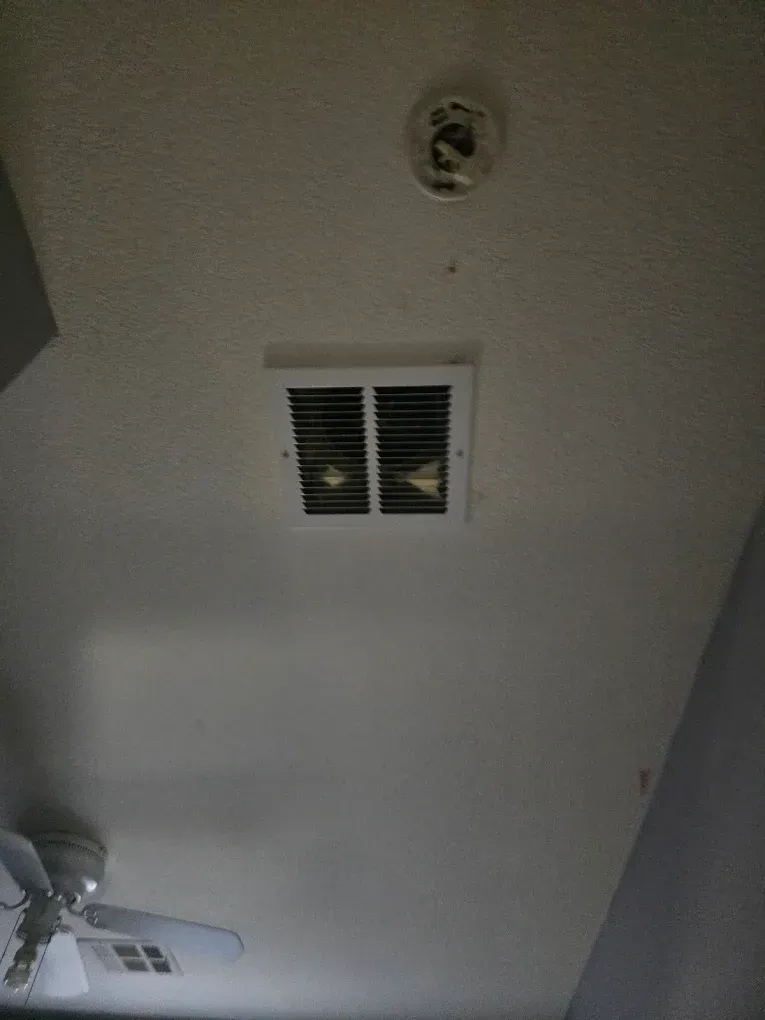
What Proper Duct Cleaning Requires
Effective cleaning requires access points cut into main trunk lines if the system wasn't designed with pre-installed service openings. Cameras inserted into ductwork document the extent of buildup before and after cleaning, providing visual confirmation that debris has been removed rather than simply redistributed. Mold growth inside ducts requires antimicrobial treatment after mechanical cleaning, and the moisture source causing the growth must be identified and corrected to prevent recurrence.
After duct cleaning is completed, homeowners notice that registers blow stronger airflow and dust accumulation on furniture and surfaces slows compared to pre-cleaning rates. The HVAC system reaches set temperatures faster because airflow resistance has decreased, and the blower motor draws less power when moving air through clean ducts. Musty odors that originated from mold or accumulated debris inside ductwork dissipate once contaminated material is extracted and vents are sanitized.
Air quality improvements depend on addressing contaminant sources beyond the ducts themselves, including filter upgrades, seal repairs at duct joints, and verifying that return air pathways aren't pulling unfiltered air from attics or crawlspaces. Duct cleaning provides the most noticeable benefit when combined with regular filter replacement and system maintenance that prevents future buildup..
Common Questions About This Service
Homeowners considering duct cleaning often have questions about the process, timing, and expected results before scheduling the service.
What indicates that ducts need cleaning?
Visible dust blowing from registers when the system starts, dark streaks around supply vents, persistent musty odors during operation, or reduced airflow compared to previous performance all suggest interior contamination. Homes that have undergone recent remodeling often contain drywall dust and construction debris inside ductwork.
How does duct cleaning improve system efficiency?
Restricted airflow forces the blower motor to work harder and run longer to move the same volume of air, increasing energy consumption. Clean ducts allow air to move freely, reducing runtime needed to reach thermostat settings and decreasing strain on motors and fan bearings.
Desert dust, pet dander, insulation fibers, pollen, and construction debris are common, along with occasional rodent droppings or nesting material in uncapped exterior vent terminations. Homes near agricultural areas may also accumulate fine particulates from tilled fields during windy periods.
Yes! We provide free, thorough inspections and transparent estimates so you can make informed decisions without any pressure.
When should duct cleaning be scheduled relative to other HVAC maintenance?
Cleaning before the cooling season allows the system to operate at peak efficiency during high-demand summer months. Scheduling after renovations removes construction debris before it circulates throughout the home for months.
How long does the cleaning process take?
Most residential systems require three to five hours depending on duct layout complexity, the number of supply and return vents, and the extent of contamination. Access point creation, cleaning, and restoration are included in the service timeframe.
AZ A/C and Heat Services includes air quality inspections that identify contaminant sources and provide recommendations for filtration upgrades and humidity control. Schedule an inspection to evaluate your ductwork condition and discuss indoor air quality improvements.